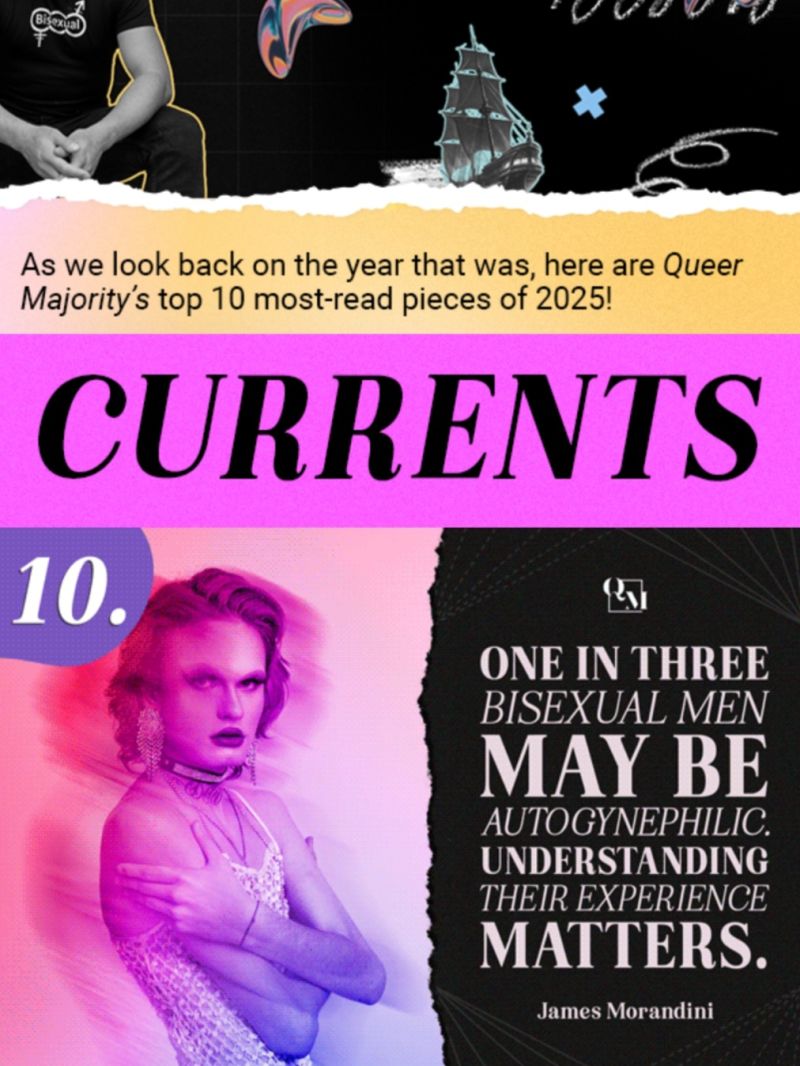
I was pleased to see Queer Majority include my essay, “One in three bisexual men may be autogynephilic: Understanding their experience matters,” among its ten most-read articles of 2025.
That recognition matters because people with autogynephilic sexual orientations continue to face vilification, mischaracterisation and discrimination. In 2026, it remains deeply troubling that these individuals can encounter stigma reminiscent of the treatment experienced by homosexual people in the last century.
Sexuality clinicians, researchers and advocates have a responsibility here. When sexuality research is sanitised or censored to match prevailing sensibilities, science is weakened—and people may be denied the language and concepts that could help them understand and accept themselves.
Reliable knowledge also matters socially. Phenomena that are not described carefully will still be observed; without sound evidence, they are more likely to be interpreted through moralisation and demonisation. Greater research and positive visibility can instead support a more accurate and generous understanding of less common, yet harmless, sexualities.
I hope that the next generation of young people who become aware of these feelings will encounter knowledge and acceptance rather than vilification, shame and erasure.
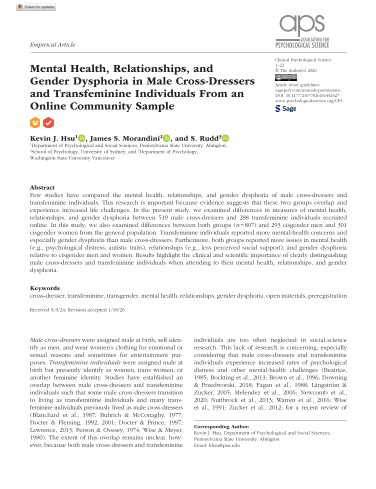
Read the Queer Majority essay, watch the video explainer, or read the peer-reviewed paper, “Autogynephilia in Some Bisexual Cisgender Men.”